Audio to sign language
Audio to sign language listens first. If the sound is muddy, everything downstream suffers — so we engineer for clean speech and clear confirmation.
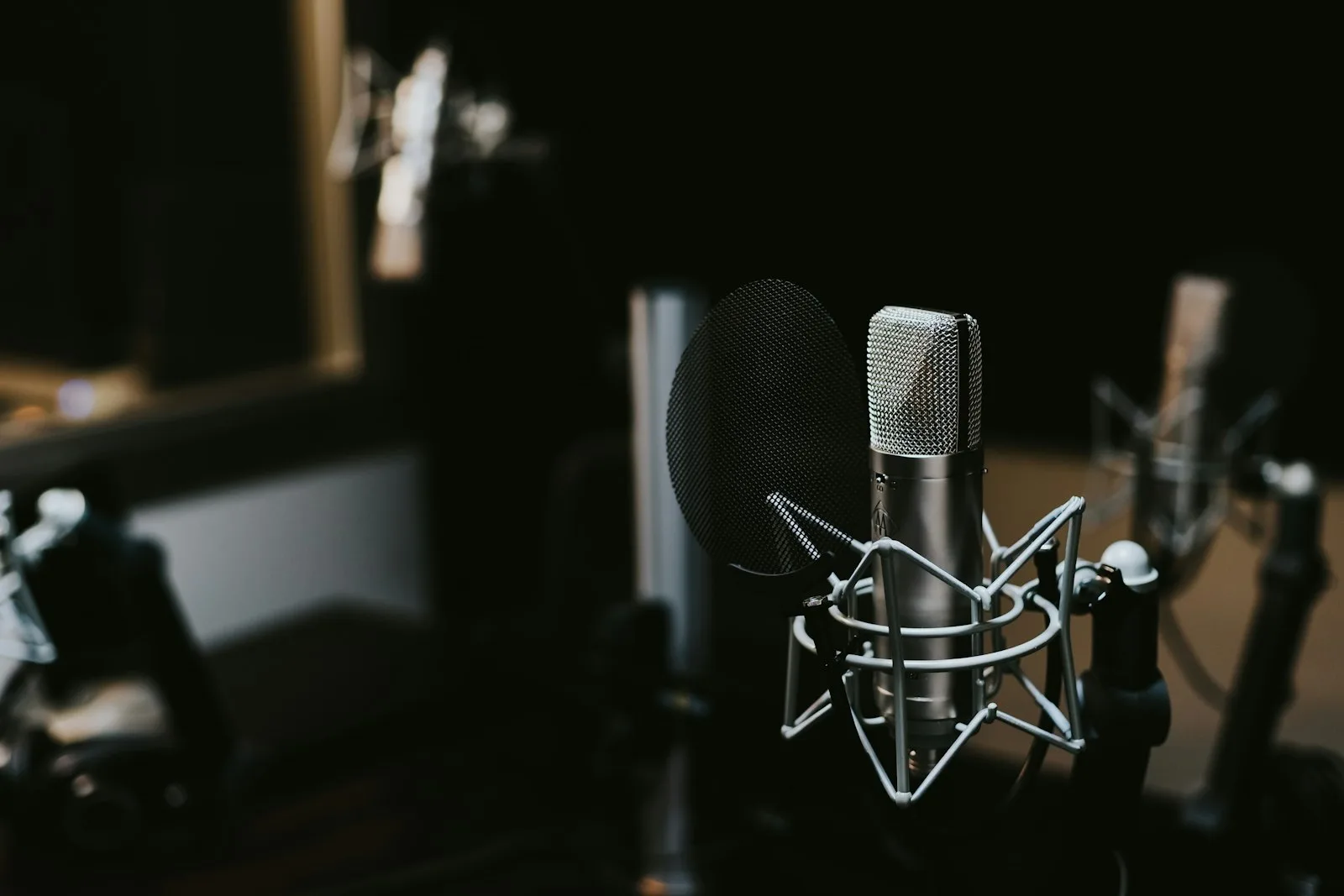
What is it, really?
In real life, microphone habits shows up at desks, classes, calls, and family chats. Name your context before you practice.
Microphone Habits
A simple model for Audio to sign language: clarify the goal, capture a clean signal, interpret carefully, confirm understanding, then refine noise control.
Handslator exists to shrink setup friction so your brain can stay on microphone habits instead of fighting tools.
Watch for the classic failure mode: performing Audio to sign language as a demo instead of communicating. If the other person is lost, reset with slower turns focused on microphone habits.
Teach-back trick: after a short exchange, ask the other person to restate the key point. That validates microphone habits better than guessing.
For teams, write two sentences in your playbook about microphone habits and noise control. Shared language beats heroic improvisation.
Stay humble about limits. Community expertise and certified interpreters still lead when stakes rise — Handslator assists the everyday layer around microphone habits.
Close each practice block by noting one improvement related to microphone habits. Progress loves receipts.
The problem we are solving
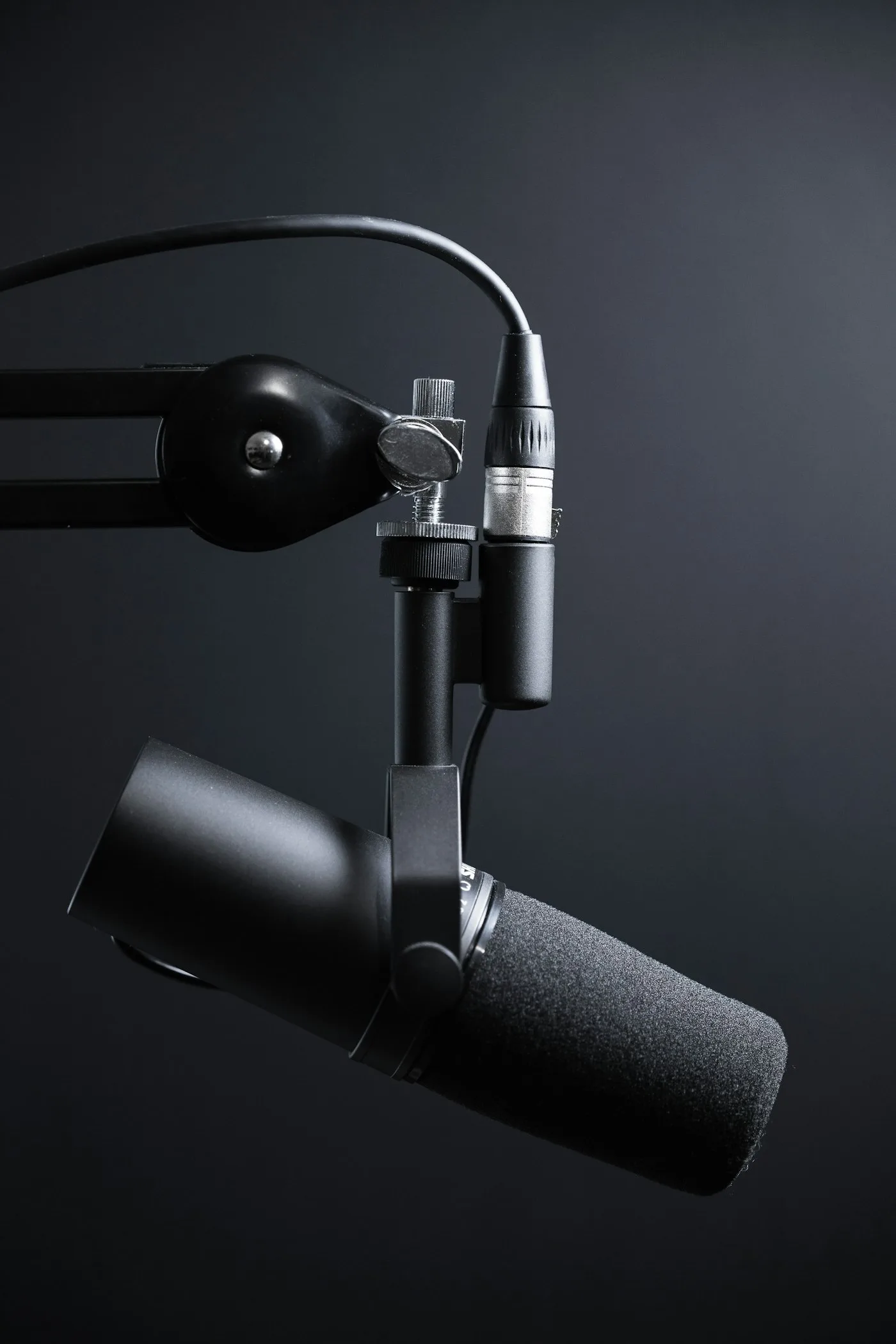
In real life, noise control shows up at desks, classes, calls, and family chats. Name your context before you practice.
Noise Control
A simple model for Audio to sign language: clarify the goal, capture a clean signal, interpret carefully, confirm understanding, then refine speech recognition.
Handslator exists to shrink setup friction so your brain can stay on noise control instead of fighting tools.
Watch for the classic failure mode: performing Audio to sign language as a demo instead of communicating. If the other person is lost, reset with slower turns focused on noise control.
Teach-back trick: after a short exchange, ask the other person to restate the key point. That validates noise control better than guessing.
For teams, write two sentences in your playbook about noise control and speech recognition. Shared language beats heroic improvisation.
Stay humble about limits. Community expertise and certified interpreters still lead when stakes rise — Handslator assists the everyday layer around noise control.
Close each practice block by noting one improvement related to noise control. Progress loves receipts.
How it works
In real life, speech recognition shows up at desks, classes, calls, and family chats. Name your context before you practice.
Speech Recognition
A simple model for Audio to sign language: clarify the goal, capture a clean signal, interpret carefully, confirm understanding, then refine number confirmation.
Handslator exists to shrink setup friction so your brain can stay on speech recognition instead of fighting tools.
Watch for the classic failure mode: performing Audio to sign language as a demo instead of communicating. If the other person is lost, reset with slower turns focused on speech recognition.
Teach-back trick: after a short exchange, ask the other person to restate the key point. That validates speech recognition better than guessing.
For teams, write two sentences in your playbook about speech recognition and number confirmation. Shared language beats heroic improvisation.
Stay humble about limits. Community expertise and certified interpreters still lead when stakes rise — Handslator assists the everyday layer around speech recognition.
Close each practice block by noting one improvement related to speech recognition. Progress loves receipts.
The process
In real life, number confirmation shows up at desks, classes, calls, and family chats. Name your context before you practice.
Number Confirmation
A simple model for Audio to sign language: clarify the goal, capture a clean signal, interpret carefully, confirm understanding, then refine live desk turns.
Handslator exists to shrink setup friction so your brain can stay on number confirmation instead of fighting tools.
Watch for the classic failure mode: performing Audio to sign language as a demo instead of communicating. If the other person is lost, reset with slower turns focused on number confirmation.
Teach-back trick: after a short exchange, ask the other person to restate the key point. That validates number confirmation better than guessing.
For teams, write two sentences in your playbook about number confirmation and live desk turns. Shared language beats heroic improvisation.
Stay humble about limits. Community expertise and certified interpreters still lead when stakes rise — Handslator assists the everyday layer around number confirmation.
Close each practice block by noting one improvement related to number confirmation. Progress loves receipts.
- Prep the environment.
- Pick a micro-goal tied to number confirmation.
- Capture cleanly.
- Translate or practice.
- Confirm.
- Iterate on live desk turns.
| Step | Focus | Done when |
|---|---|---|
| 1 | Prep | Signal is clean |
| 2 | number confirmation | Example completed |
| 3 | Confirm | Meaning shared |
| 4 | live desk turns | One improvement noted |
Benefits
In real life, live desk turns shows up at desks, classes, calls, and family chats. Name your context before you practice.
Live Desk Turns
A simple model for Audio to sign language: clarify the goal, capture a clean signal, interpret carefully, confirm understanding, then refine fallback to text.
Handslator exists to shrink setup friction so your brain can stay on live desk turns instead of fighting tools.
Watch for the classic failure mode: performing Audio to sign language as a demo instead of communicating. If the other person is lost, reset with slower turns focused on live desk turns.
Teach-back trick: after a short exchange, ask the other person to restate the key point. That validates live desk turns better than guessing.
For teams, write two sentences in your playbook about live desk turns and fallback to text. Shared language beats heroic improvisation.
Stay humble about limits. Community expertise and certified interpreters still lead when stakes rise — Handslator assists the everyday layer around live desk turns.
Close each practice block by noting one improvement related to live desk turns. Progress loves receipts.
Mastering Audio to sign language feels less like homework when live desk turns turns into a habit you can trust.
Tips that help
In real life, fallback to text shows up at desks, classes, calls, and family chats. Name your context before you practice.
Fallback To Text
A simple model for Audio to sign language: clarify the goal, capture a clean signal, interpret carefully, confirm understanding, then refine microphone habits.
Handslator exists to shrink setup friction so your brain can stay on fallback to text instead of fighting tools.
Watch for the classic failure mode: performing Audio to sign language as a demo instead of communicating. If the other person is lost, reset with slower turns focused on fallback to text.
Teach-back trick: after a short exchange, ask the other person to restate the key point. That validates fallback to text better than guessing.
For teams, write two sentences in your playbook about fallback to text and microphone habits. Shared language beats heroic improvisation.
Stay humble about limits. Community expertise and certified interpreters still lead when stakes rise — Handslator assists the everyday layer around fallback to text.
Close each practice block by noting one improvement related to fallback to text. Progress loves receipts.
Next steps
In real life, microphone habits shows up at desks, classes, calls, and family chats. Name your context before you practice.
Microphone Habits
A simple model for Audio to sign language: clarify the goal, capture a clean signal, interpret carefully, confirm understanding, then refine noise control.
Handslator exists to shrink setup friction so your brain can stay on microphone habits instead of fighting tools.
Watch for the classic failure mode: performing Audio to sign language as a demo instead of communicating. If the other person is lost, reset with slower turns focused on microphone habits.
Teach-back trick: after a short exchange, ask the other person to restate the key point. That validates microphone habits better than guessing.
For teams, write two sentences in your playbook about microphone habits and noise control. Shared language beats heroic improvisation.
Stay humble about limits. Community expertise and certified interpreters still lead when stakes rise — Handslator assists the everyday layer around microphone habits.
Close each practice block by noting one improvement related to microphone habits. Progress loves receipts.
FAQ
What is the first mile?
Speech recognition needs clean audio before any signed presentation can help.
How do I handle accents/noise?
Closer mic, slower speech, quieter space, or switch to text.
Should I confirm numbers?
Always — prices, times, IDs, and dosages deserve verification.
Can this run at a counter?
Yes with disciplined turns and a fallback plan.
Where does Handslator fit?
Audio-friendly sessions with easy retries.
Is headset required?
Not required, but it often improves recognition.
What if recognition fails mid-sentence?
Stop, shorten, repeat the clause, then continue.
Best first drill?
A spoken greeting + spelling a name + confirming it.